
Luck or skill what really matters in gambling
The Nature of Gambling
Gambling has long fascinated humans, merging chance and strategy into one exhilarating experience. From ancient dice games to modern online casinos, the concept revolves around betting on uncertain outcomes. This blend of excitement and risk creates a unique environment where players often debate the roles of luck and skill. Understanding these dynamics is crucial for both casual players and seasoned gamblers alike. For those interested in exploring opportunities, visiting Nummus Casino can provide a comprehensive view of available games.
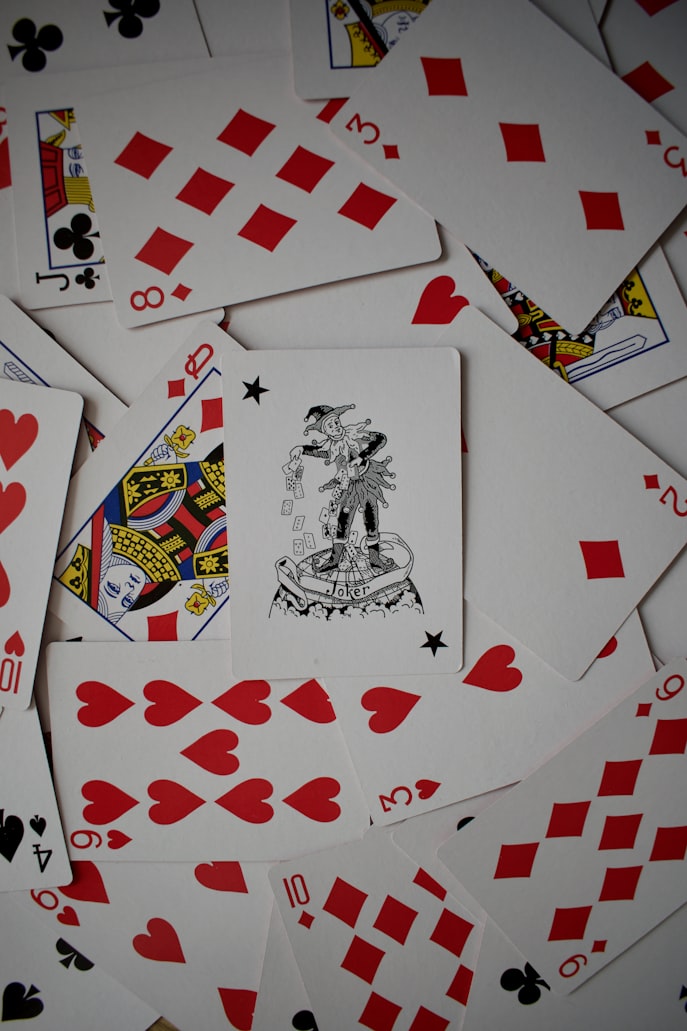
At its core, gambling is about making predictions based on incomplete information. Players must decide whether to place a bet based on instinct, analysis, or a mix of both. This constant assessment of risk versus reward is what makes gambling compelling. While some games depend heavily on luck, others require considerable skill to increase the chances of success, leading to a deeper understanding of the gambling spectrum.
Historically, different cultures have incorporated various forms of gambling into their social fabric. Ancient Romans played dice games, while Chinese dynasties developed sophisticated betting systems. These historical precedents illustrate that gambling is not just a modern phenomenon; it’s an integral part of human history, continually evolving to reflect societal changes and technological advancements.
The Role of Luck in Gambling
Luck is often the first factor that comes to mind when discussing gambling. The outcome of many games relies heavily on chance, as seen in games like slot machines and roulette. In these games, a player’s decisions have little bearing on the results, and even the best strategies can’t guarantee a win. This unpredictability can be thrilling, leading to big wins but also significant losses.
Many gamblers believe in strategies that can help manage luck, such as setting limits on losses or understanding payout ratios. However, the reality is that the house always has an edge, a built-in advantage that makes it statistically unlikely for players to win consistently over time. This concept emphasizes the sheer unpredictability inherent in gambling and highlights why players often attribute their successes or failures to luck rather than skill.
Additionally, psychological factors play a crucial role in the perception of luck. Gamblers often experience what is known as the “gambler’s fallacy,” where they believe that past events can influence future outcomes. This misconception can lead players to take unnecessary risks based on their perceived luck, further complicating the balance between skill and chance in gambling environments.
The Importance of Skill in Gambling
While luck is undeniably a factor, skill plays an equally vital role in many gambling scenarios. Games like poker, blackjack, and sports betting require players to make informed decisions, analyze probabilities, and develop strategies to increase their odds of winning. In these cases, skill can often outweigh luck, especially when a player is well-versed in the rules and nuances of the game.
Professional poker players are a prime example of how skill can influence outcomes. They study their opponents, calculate odds, and make strategic bets that can manipulate the course of the game. This level of expertise showcases how developing skills over time can lead to greater success, challenging the notion that gambling is merely a game of chance.
Moreover, understanding game mechanics and employing effective strategies can significantly affect a player’s long-term results. For instance, in blackjack, players who master card counting can gain an advantage over the house. Such strategies elevate the importance of skill, demonstrating that while luck plays a role in individual sessions, skill contributes to overall success in the gambling world.
The Balance Between Luck and Skill
The ongoing debate about luck versus skill in gambling underscores the complexity of the gaming experience. Players often find themselves navigating a landscape where both elements coexist, impacting their decisions and outcomes. Understanding this balance is essential for anyone looking to improve their gambling experience, as it can influence not only strategy but also emotional resilience when faced with losses.
Many gamblers adopt a hybrid approach, recognizing the importance of both elements. They acknowledge that while luck can lead to immediate victories, skill is required for sustained success. This awareness can foster a more responsible gambling mindset, encouraging players to focus on improving their skills while recognizing the inherent risks involved.
Additionally, learning to appreciate both luck and skill can enhance the enjoyment of gambling. Players who embrace the unpredictable nature of games can appreciate the thrill of a lucky win, while those who dedicate time to honing their skills can find satisfaction in their strategic achievements. This balance ultimately enriches the gambling experience, making it more fulfilling and engaging.

Understanding Gambling through Experience
In today’s digital age, the accessibility of online casinos and betting platforms has revolutionized how people engage with gambling. Players can easily join games, access tutorials, and learn strategies from experienced gamblers, making it more essential to understand the interplay of luck and skill. This newfound accessibility encourages players to become more informed, potentially leading to more skillful and strategic gambling behaviors.
Moreover, the community aspect of online gambling fosters knowledge sharing and skill development. Forums and social media groups provide spaces for players to exchange tips and experiences, enriching the understanding of both luck and skill. This collaborative environment emphasizes that learning is a continuous journey, enabling players to refine their approach and enhance their enjoyment.
Ultimately, the experience gained from gambling—both positive and negative—shapes individual perspectives on luck and skill. Players who acknowledge the importance of skill while respecting the role of luck often find a more sustainable approach to gambling. They learn to celebrate victories, accept losses, and cultivate a healthier relationship with the games they enjoy.